Category: Blog
Berea and Madison County’s Halloween Season 🎃
October is my favorite time of year. The hills turn that deep orange and gold, the air gets that clean cool bite that makes you want a sweater and a cup of coffee, and the whole county shows up for the things we do every fall. I love spooky season. We always host a big…
iOS 27 and Siri AI: Is Apple Upgrading Your Phone or Nudging You to Buy Another One?
If you own an iPhone in Berea, the most important question about iOS 27 is not whether Apple’s new Siri AI is impressive. The question is much simpler: Does it work on the iPhone already in your pocket? For a lot of people, the answer is no. I have been buying, fixing, networking, and upgrading…
Have a Nice Doomsday Puts Thanksgiving and the End of the World on the Same Stage 🔮
Our Bluegrass Players are bringing a very unusual Thanksgiving gathering to The Spotlight Playhouse this fall with Have a Nice Doomsday, an end-of-the-world comedy running October 30 through November 8. Directed by Erika Howard, the show begins with a familiar holiday goal. Joann Monroe wants to serve the perfect Thanksgiving dinner. The problem is that…
58th Annual Fall Art Market Returns to the Kentucky Artisan Center 🎨
For BereaOnline readers looking ahead to fall events, I want to make sure this one is on the calendar. The Kentucky Guild of Artists and Craftsmen will bring its 58th Annual Fall Art Market to Berea on Saturday, Oct. 17, and Sunday, Oct. 18, 2026. The outdoor market will be held on the lawn of…
Millstone Festival Brings a Free Day of Music and Vendors to Downtown Richmond 🍴
If you are looking for an easy day trip in early October, downtown Richmond will be busy Saturday, October 3, with the Millstone Festival. The festival runs from 11 a.m. to 8 p.m. along Main Street in downtown Richmond. The listed location is 405 W Main St., Richmond, KY 40475. Admission is free. For those…
Zombie Night: The Musical Brings Spooky Fun to The Spotlight Playhouse 🦮
Halloween season at The Spotlight Playhouse will bring zombies, music, and a lot of humor to the stage when the Bluegrass Players present Zombie Night: The Musical from October 23 through November 1. I’m directing this production for the Bluegrass Players, our community theatre group at The Spotlight Playhouse, 214 Richmond Road in Berea. The…
Salem’s Daughter Opens the Spooky Season at The Spotlight Playhouse 🔭
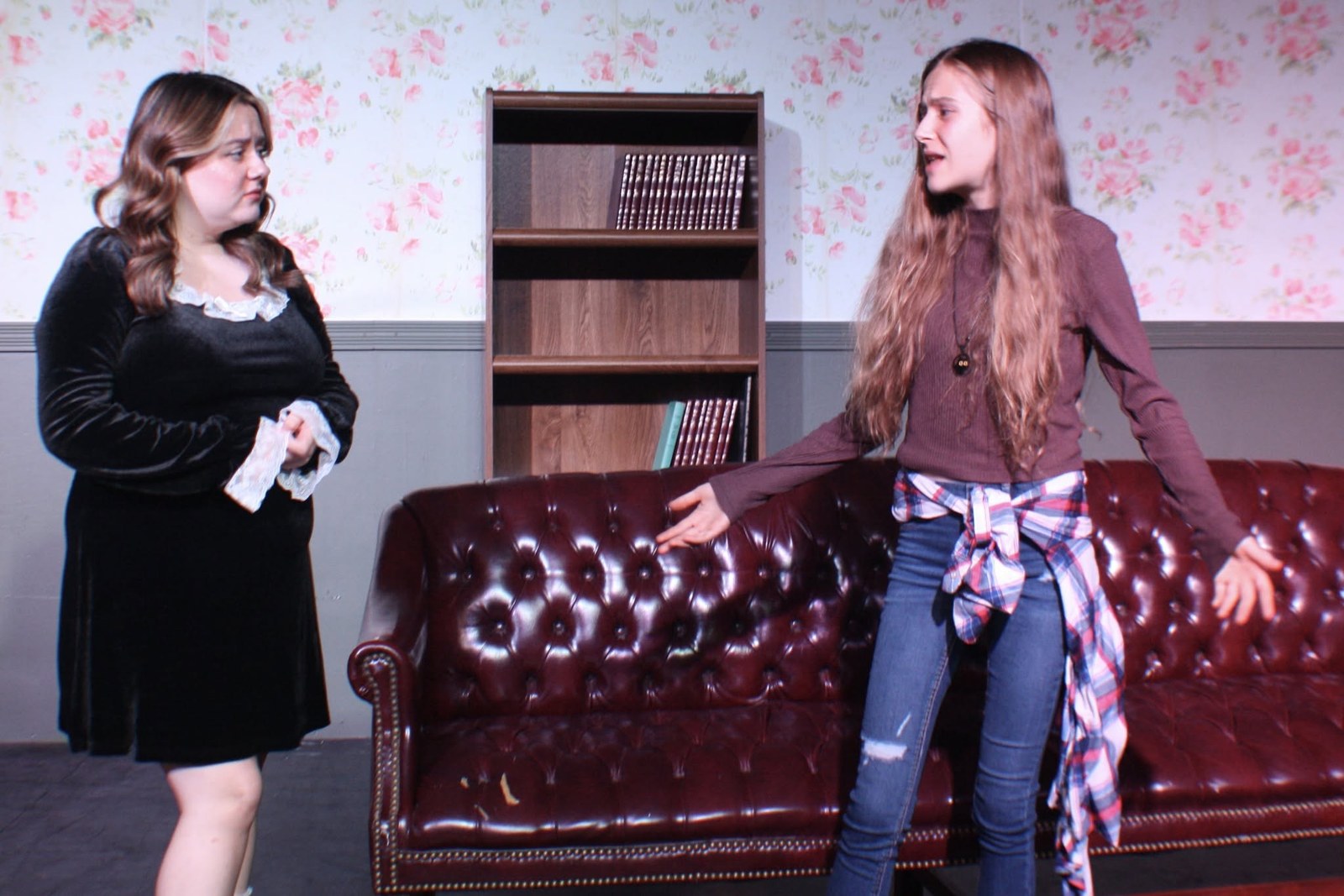
There is a particular feeling that fills a theater the first night a new show opens. The house lights dim, the audience settles in, and you can feel the whole room leaning forward. This weekend, that feeling settled over The Spotlight Playhouse as The Bluegrass Players opened their production of Salem’s Daughter. We are proud…
Famous and Otherwise Notable People of Berea, Kentucky
Berea, Kentucky, has been home to, and a launching pad for, a remarkable collection of people who have made their mark on the national and even world stage. The list below honors authors, musicians, actors, scientists, and other individuals who have achieved national recognition, won national awards, or left a historically significant legacy, and who…
Frozen KIDS Brings Arendelle to Berea: Spotlight Acting School’s Youngest Performers Take the Stage ❄️
The first time a child walks onto a stage under lights, something changes. You can see it in the shoulders. They stand a little taller, and they find their voice. That moment is what Spotlight Acting School has been building toward since 2004, and it is what families across Madison County will get to see…
Mountain Day Returns October 7: What to Know Before You Go 🥾
If you have lived in Berea long enough, you know the rhythm. Every fall, the college shuts down for a day, the town gets a little busier on the trails, and people end up on top of Indian Fort Mountain watching the sun come up over the ridgeline. This year, Berea College Mountain Day falls…
Good Music Close to Home: 53rd Celebration of Traditional Music Comes to Berea October 9-11 🎻
If you stand near Presser Hall on a fall afternoon and hear a fiddle tuning through an open door, you know it is Celebration weekend in Berea. That sound has been part of October here for more than fifty years, and it is worth marking on your calendar. The 53rd Annual Celebration of Traditional Music…
A New Twist on an Old Tale: The Legend of Sleepy Hollow Dinner Show Comes to The Spotlight Playhouse 🎃
Fall in Madison County brings a familiar rhythm. The air turns crisp, high school football lights up Friday nights, and our dinner theater season gets underway at The Spotlight Playhouse. This October, we are preparing to open an all-new interactive mystery production of The Legend of Sleepy Hollow. The performances are scheduled for Friday, October…
The Spoonbread Festival 5K Turns 30: Your Race-Morning Plan for Sunday, September 20 in Berea 🏃
Plenty of towns can put on a race once. Keeping one on the calendar for thirty straight years takes a community that keeps showing up. The Spoonbread Festival 5K Run/Walk hits its 30th annual running this September, and it is still one of the most straightforward ways in Berea to do some good before breakfast…
International Observe the Moon Night Brings a Free Night of Astronomy to Berea 🌙
I have always thought the Moon is the most underrated science lesson we have on tap. It is right there, over the backyard, every single night, and it does not require a ticket, a trip, or a degree to start asking questions about it. On Saturday, September 19, the Berea College Planetarium is hosting International…
Salem’s Daughter Returns to The Spotlight Playhouse for Fall Run 👻
Just in time for spooky season, the Spotlight Playhouse and the Bluegrass Players present Salem’s Daughter. I have been looking forward to seeing this one finally get its chance on our stage, because this is actually the second time we have scheduled the show at Spotlight. The first time was during the COVID year. The…
Free Music, No Tickets: The Levitt BLOC Season Finale Is September 26 🎵
The 2026 Levitt BLOC Berea Music Series is down to its last show. Saturday, September 26, Devon Gilfillian, Darrin Hacquard, and MojoFlo will take the stage at Alumni Field as part of the Berea College One Reunion Mountaineer Fest. It is the season finale, and admission is free. No tickets and no registration. Just show…
One Reunion Brings Berea Alumni Home, September 25-27, 2026 🎓
I got another email last week. Would I come sing in the alumni choir for One Reunion? Would I take part in this panel or that reception? I wanted to say yes to all of it. Then I looked at the calendar and remembered I am running shows that weekend. That is the deal when…
Honk! Jr. Runs Sept. 18-27 at The Spotlight Playhouse in Berea 🦢
A duckling gets born looking wrong for his family, gets picked on for it, and spends the whole show finding his way back to where he belongs. That is Honk! Jr., and it opens September 18 at The Spotlight Playhouse, 214 Richmond Road in Berea. I have always loved this musical. Honk! is one of…
Spoonbread Is a Test of How We Support Berea 🍄
I have been involved with the Spoonbread Festival since it first started. For fifteen years, I was the Emcee on the festival stage, so I have seen this weekend from a pretty good seat. I have also seen what happens when you are running a local business during Spoonbread weekend. When I took over the…
The Velveteen Rabbit brings a new faith series to Spotlight Playhouse 🐰
Berea’s Spotlight Acting School opens Spotlight on Faith with a familiar story about a toy rabbit, a child, and the people who make a home feel like home. A little rabbit made of velveteen cloth is at the center of a new production at The Spotlight Playhouse this weekend. The Velveteen Rabbit runs September 11-13,…